
Ask students to find materials in nature—sticks, leaves, an abandoned bird’s nest—to create their egg drop structures. Suspension designs are slightly more complex than simple cushion designs. A pair of nylon stockings is an inexpensive option for suspending your egg. Slide the egg into a short portion of the stocking and keep it in place with rubber bands wrapped around each side. When the nylons are pulled tightly across the inside of a box or container, the egg will be safely suspended as the box falls.
More from STEM
Use cardboard tubes (toilet paper rolls or paper towel rolls) to create a protective structure around the egg. Surround the egg with a thick layer of cotton balls or cotton padding. This can absorb some of the impact forces upon landing.
Paper Mache Shell
If you have time and enough materials, give teams a chance to try another design, or repeat this activity on another day. When it is at rest or when you apply gentle pressure to the fluid, it acts as a liquid, but it quickly becomes a solid when under more pressure. To make the contraption, combine two parts corn starch with one part water to fill a quart-size plastic bag. Then simply stick the egg inside the bag and let it fall to the ground. When the bag hits the ground, the oobleck forms a solid around the egg so that the force of the fall is evenly distributed around the shell's surface.
YouTuber Mark Rober drops eggs from space to land in Victor Valley - VVdailypress.com
YouTuber Mark Rober drops eggs from space to land in Victor Valley.
Posted: Sat, 26 Nov 2022 08:00:00 GMT [source]
Balloon Cushioning
Stacy Zeiger began writing in 2000 for "Suburban News Publication" in Ohio and has expanded to teaching writing as an eighth grade English teacher. Zeiger completed creative writing course work at Miami University and holds a B.A. STEAMsational offers STEM and science lesson plans and teaching resources to provide a firm STEM foundation for children in the classroom or home.
Drop Humpty in and see which material protects him the best. For example, teachers can set limits on materials students can use. One year we set the materials allowed to straws and tape only. Teacher can also set design restrains on the total weight or the total cost of the materials each design uses. Our goal is to make science relevant and fun for everyone. Whether you need help solving quadratic equations, inspiration for the upcoming science fair or the latest update on a major storm, Sciencing is here to help.
Paper bag parachute
STEAMsational was founded by Brenda MacArthur in 2011 and has provided STEM activities for kids and STEM curriculum to thousands of children around the world. Make your egg drop have a theme, like in our turkey Egg Drop Project with Popsicle Sticks. Gumdrop Bridge – Build a bridge from gumdrops and toothpicks and see how much weight it can hold. How Strong Is An Egg – Test much weight one egg can hold before it breaks.
Students might only get one chance—if your egg breaks, you are done. This version of the project is intended to emphasize the iterative nature of the engineering design process. Students will be allowed to test their designs before they try them with a real egg. This will give them a chance to identify flaws and improve their designs.
The Science Behind the Egg Drop Challenge
If you’d like to try with your kids or students, we have a free design process worksheet to help the design thinking. Many successful egg drop designs use sturdy containers to protect the contents from the initial shock of the drop. These hard containers may be plastic food containers or cardboard boxes. But the hard container alone is not enough to protect the egg completely. Styrofoam, sponges, cotton balls, bubble wrap or even wadded newspaper can all make good padding inside the container. Give your students time to practice with a variety of materials before dropping their eggs.
Watson grad blends art, mechanical engineering Binghamton News - Binghamton University
Watson grad blends art, mechanical engineering Binghamton News.
Posted: Mon, 01 May 2023 07:00:00 GMT [source]
She holds a Bachelor of Arts in English from Mount Holyoke College, and Master's degrees in education and community psychology from the University of Massachusetts. If the egg broke, the egg white and yolk won’t flow or splash everywhere. You can download the design sheet for free at the bottom of this post. We used tapes and hot glue to put all straws into the place we wanted.
This should work well for a standard two-story drop, but use larger bags and more cereal as the height of the drop increases. When the bag hits the ground, the impact of the landing is absorbed and distributed throughout the cereal. You’ll probably end up with a bag of crushed cereal, but the egg should be unbroken. Enclosing the egg in something that can absorb the force of impact can protect the egg from a fall.
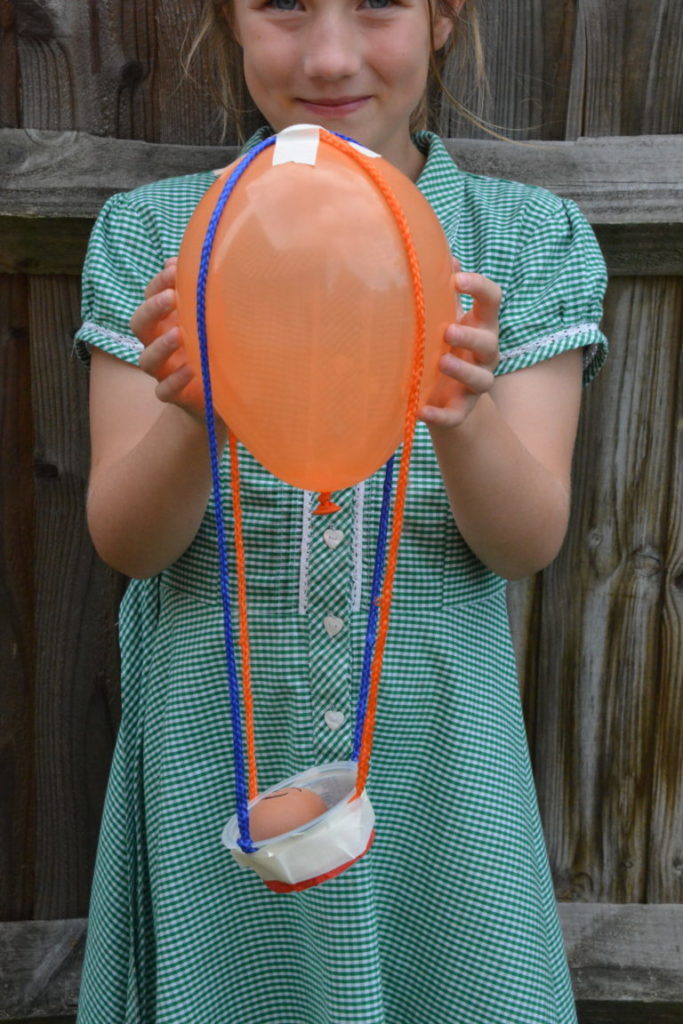
The big question with this egg drop is whether it will float down or crash. For a mult-step approach, make oobleck and cover the egg in oobleck. Then, put the egg in a cup that includes a soft packing material (mini-marshmallows, cotton balls). Cover the top with plastic wrap or tape and get ready to drop. The egg drop may be the most versatile activity there is.
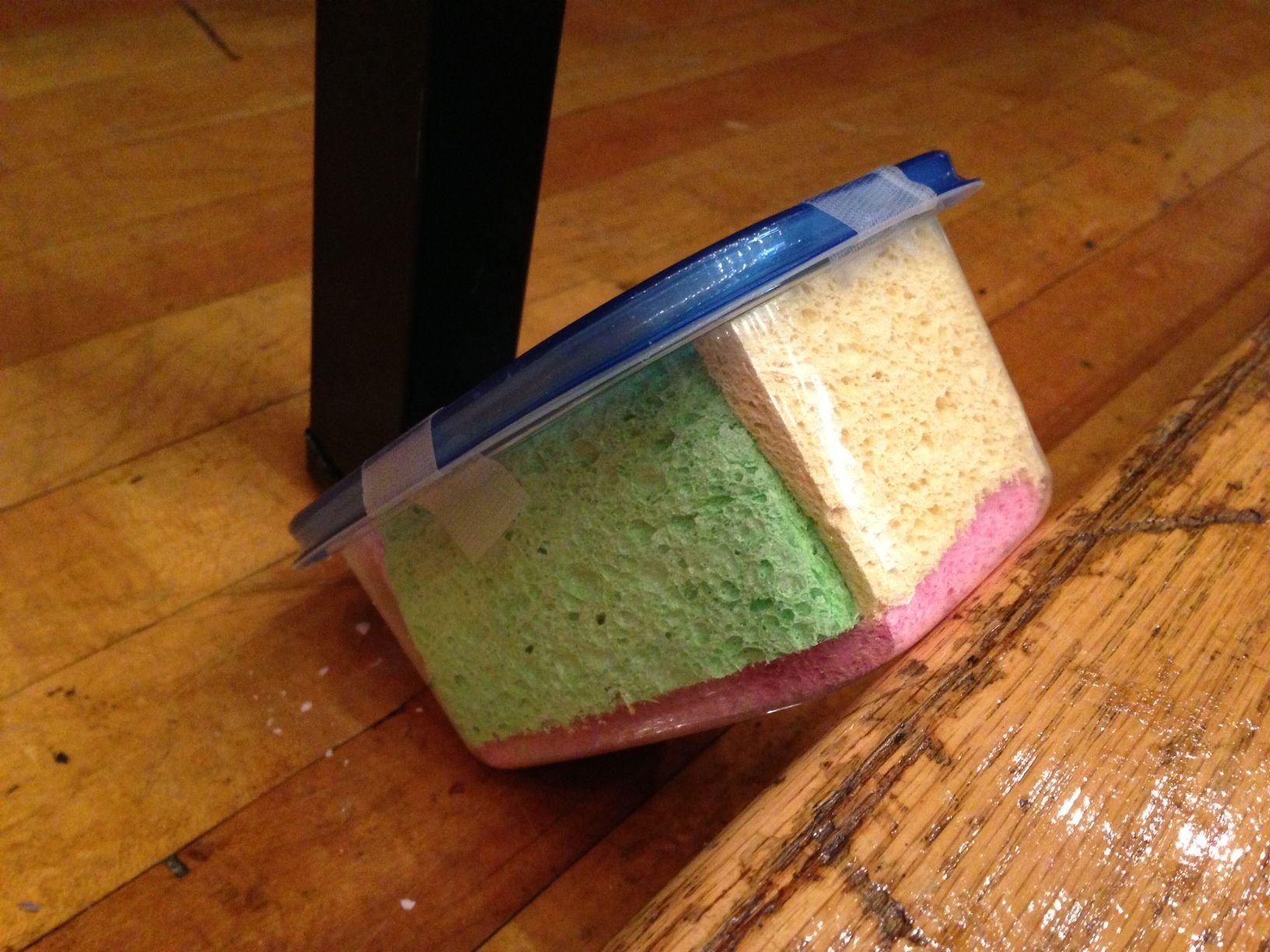
Then, attach a plastic bag to the cup and launch it in a place where the wind can catch the bag. Most egg drop projects use many loose materials, design making, and tinkering that my son isn’t ready for yet. I thought we could expand on it by using materials in our kitchen to protect the eggs including ziptop bags to control the mess. The science behind this method lies in the property of sponges to absorb and distribute forces evenly. Sponges are made up of numerous tiny air pockets that can compress and expand to absorb shock.
Additionally, discussing the science behind each design choice can add to the learning experience. The goal of the egg drop challenge is to drop your egg from a height without it breaking when it hits the ground. Use toilet paper rolls as pillars to support and protect an egg, then use a sponge and rubber bands to hold it together.
Students use rubber bands to create a bungee jump for an egg and predict how many rubbers bands they will need for the egg to drop a certain length (maybe six feet). For students who are well versed in the egg drop, this is a fun spin on the idea. Cover an egg in floam and see if it provides enough cushioning to break the fall.
Use grapes, cherry tomatoes or orange wedges between the egg and the side of the box or container. The fluid-filled cells work in a similar way to the air-filled bladders of bubble wrap. Consider that the egg must drop but is not required to hit the ground.




No comments:
Post a Comment